How to Pack a Car for Camping and Unpack Fast
To pack a car for camping, load heavy gear low, secure it, and keep shelter and first-night essentials within reach. Choose gear that fits your cargo space, then unpack in setup order.
On this page (8 sections)
- How should you pack a car for camping?
- How do you choose gear that fits your car?
- Should you pack a cot or camping chair?
- How do you keep camping gear organized?
- What should stay within easy reach?
- How do you pack a car for camping so setup is quick?
- How do you unload quickly at camp?
- What is the best order for packing a car for camping?
To pack a car for camping, load heavy gear low, secure it, and keep shelter and first-night essentials within reach. Choose equipment that fits your cargo space and trip, then unload in the order you’ll set up camp.
Before packing, count passengers, check the space behind the seats, and gather the gear you expect to bring. This helps you spot bulky extras early and keep every passenger’s seat belt and a clear view through the windows.
How should you pack a car for camping?
Pack heavy items low and close to the center, then secure the load and place early-use gear near a door or hatch. Organizing by weight and setup order helps keep the drive clear and avoids unloading the same bags several times.
Start with an inventory grouped by shelter, sleep, cooking, clothing, and safety. Our camping gear guide can help you decide what to bring first and what can wait.
Use bins or bags to keep small items together. Label them by task, such as “kitchen” or “first night,” so you can find what you need without opening every container.
Use cargo anchors or straps designed for your vehicle to keep items in place. Fill gaps with soft bags where they fit, and check that nothing can slide into passengers, block seat belts, obstruct controls, or cut off access to emergency supplies.
What should go in the car last?
Load items you’ll need soon after arrival last, so they’re easiest to reach. That often means the tent, ground cover, sleeping gear, water, lighting, and a weather layer.
Keep your day bag, medications, keys, phone, and site documents somewhere accessible. Loose items in the passenger area can become a hazard, so secure them and keep them clear of seat belts and airbags.
How do you choose gear that fits your car?
Choose gear by checking its packed size against your available cargo space and the needs of your group. A six-person tent or a full-size cot can make sense for a car-camping trip, but either may take room away from bags and other essentials.
Measure the space behind your seats and note the width of any narrow opening the gear must pass through. Pack a trial load at home if you’re unsure whether bulky items will fit together.
The Amazon Basics 6 Person Dome Tent has a compact storage bag, a removable rainfly, and a 120 x 120 in footprint when set up. It suits car campers who want a six-person shelter and can reserve cargo space for the packed tent.
Skip it if you need a very small load or are planning a backpacking trip.
Check the tent’s packed bag against the space that remains after your larger gear is loaded. For help matching tent capacity to your group, see our guide to choosing a camping tent.
Should you pack a cot or camping chair?
Bring a cot or chair when you’ll use it at camp and can carry it without crowding shelter and sleep gear. Both are optional comfort items, so decide where they fit before loading them.
The TETON Sports Outfitter XXL Camping Cot weighs 26 lb, folds for transport, and comes with a carry bag. Its extra-wide raised sleeping surface suits car campers who want a cot and have space for a larger sleep setup.
Skip it if your cargo area is tight or you’re trying to keep the load light.
Place the cot where it can come out without shifting fragile or spillable gear. Keep the frame from pressing against tent fabric, sleeping bags, or clothing that could snag.
The Coleman Outpost Elite Chair has a folding steel frame, a flip-up side table with a cup holder, and weather-resistant fabric. It suits campers who want a dedicated place to sit and eat at camp.
Skip it if there’s no secure space for a chair or if it would force you to leave more useful gear behind.
Pack the chair along the side of the cargo area only if it stays in place. Don’t wedge it where it can press on tent poles or slide forward during a turn.
How do you keep camping gear organized?
Group supplies by task, protect soft gear from leaks, and keep small essentials in a separate arrival bag. This gives you a faster way to find what you need at camp and reduces the chance of spills reaching bedding or clothes.
Use soft bags for clothing and bedding because they can fill spaces around rigid gear. Put leak-prone supplies in sealed containers and separate them from sleeping bags, clothing, and electronics.
A checklist can help you catch duplicates before they take up cargo space. For a beginner-focused list, see camping essentials for beginners.
What should stay within easy reach?
Keep arrival and emergency essentials accessible for the whole drive. Put water, a light, weather layers, first-aid supplies, and daily medication where you can reach them without unloading heavy bags.
A small arrival bag can hold lights and the items you’ll need to start setup. Place it near the hatch or door rather than under the tent or other bulky gear.
Store food and cooking supplies in closed containers and follow your campsite’s rules. Secure fuel and other regulated items according to their labels and local transport guidance.
How do you pack a car for camping so setup is quick?
Pack shelter and sleep gear where you can unload them before kitchen supplies and comfort items. Your setup order should guide your load order: the gear you need first should not end up buried.
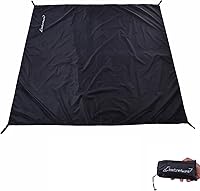
Keep the tent and ground cover together if possible. If you plan to use a footprint or tarp, pack it with the shelter bundle; our guide to tent footprints and tarps explains how to choose between them.
Before closing the hatch, check that the driver has a clear view through every window and mirror. Confirm that gear stays put when the doors open and that everyone can reach their seat belt.
How do you unload quickly at camp?
Unload in setup order: shelter, ground cover, sleep gear, then kitchen and comfort items. This creates a clear place to work and helps you avoid moving the same bags more than once.
- Park in a suitable, level area and check the site before opening the cargo space.
- Remove the arrival bag and anything needed for immediate safety or changing weather.
- Set up the tent and ground cover.
- Bring out sleeping gear and arrange beds.
- Unload cooking supplies, food, chairs, and other extras.
Check the area before leaving the campsite, then separate damp or dirty gear from clean items during the drive home. Dry and clean it before repacking so it’s ready for your next trip.
What packing mistakes make car camping harder?
The most common mistakes are blocking access, packing loose heavy gear, and bringing bulky extras without checking the space first. A quick cargo check can prevent a slow setup and an uncomfortable drive.
Don’t bury the tent beneath bags you’ll need later, or put a first-night bag where you can reach it only after unloading the car. Avoid stacking gear where it blocks a window, mirror, seat belt, or passenger access.
Skip duplicate supplies and comfort items that don’t fit your plans. A cot and chair both take space, so decide which one matters more if the cargo area is limited.
What is the best order for packing a car for camping?
Choose the load order that keeps heavy gear stable and early-use gear accessible. Pack bulky items low, secure the load, and leave a clear path to the tent, sleep setup, and arrival bag.
Choose the Amazon Basics tent if you need a group shelter and have room for its packed bag. Add the TETON cot if an raised sleep surface is a priority and the 26 lb cot fits without crowding essentials; choose the Coleman chair if a seat and side table will be more useful at camp.
For a fast arrival, keep shelter and sleep gear reachable and unload them before kitchen extras.
Frequently asked questions
What should I pack first in my car for camping?
Pack bulky gear you won't need until camp is set up first, then place shelter and sleep gear where you can reach it before kitchen extras. Keep essentials for the drive, first meal, and first night accessible, and leave the driver's view and seat belt paths clear.
How do you keep camping gear from moving in a car?
Put heavy items low, fill gaps with soft bags, and use cargo anchors or straps designed for your vehicle. Keep hard or heavy objects out of the passenger area, and check that nothing blocks windows, mirrors, seat belts, or access to emergency supplies.
Should a tent go on top or bottom when packing a car?
Pack the tent where you can reach it early, since you may need shelter before unloading every bag. Keep it dry and separate from food or items that could snag the fabric, and check its packed size against the space left after larger gear is loaded.
How do I unpack a car quickly at a campsite?
Unload in setup order: shelter, ground cover, sleeping gear, then kitchen and comfort items. Keep a small arrival bag with lights, water, weather layers, and site paperwork near the door so you can handle immediate needs before opening every container.