Camping Gear Guide: What to Buy First and What to Skip
Buy camping gear in order of need: shelter, sleep gear, weather protection, light, water, and food basics. Then add comfort items that suit your campsite, trip length, and available space.
On this page (12 sections)
- What camping gear should you buy first?
- How do you choose a tent and sleep setup?
- How much tent space do you need?
- What weather and safety gear belongs in your kit?
- What cooking and campsite basics are worth buying?
- Which comfort items can wait until later?
- Do you need a portable camping toilet?
- How should you pack camping gear in a car?
- What camping gear should you skip for now?
- What belongs in a practical first camping gear kit?
- How do you choose what camping gear to buy next?
- Which camping gear should you choose for your trip?
Buy camping gear in order of need: shelter, sleep gear, weather protection, light, water, and food basics. Add comfort items after you know your campsite, trip length, and what you can borrow.
A first kit does not need every item made for camping. Start with the gear that helps you stay dry, sleep comfortably in expected conditions, prepare food safely, and follow site rules.
This guide helps you choose what to buy first, what to borrow, and what can wait. For a shorter checklist, see our camping essentials for beginners.
What camping gear should you buy first?
Buy gear that covers sleep, weather, safety, and basic needs before adding campsite comforts. The order depends on what you own and what your campground provides.
| Priority | Gear to cover | Why it comes early |
|---|---|---|
| 1 | Shelter and ground protection | Creates a dry place to sleep and a barrier from the ground |
| 2 | Sleep system | Adds bedding and insulation suited to the night |
| 3 | Clothing and rain protection | Helps you adapt to changing conditions |
| 4 | Lighting and navigation | Helps you move around after dark and follow your route |
| 5 | Water, food, and first aid basics | Covers daily needs and simple problems |
| 6 | Comfort items | Improves downtime after the essentials are covered |
Before buying, check what you already have at home. A headlamp, warm layers, reusable water bottles, and basic cooking tools may work without being made specifically for camping.
Think about how you will carry everything. Car campers can bring bulkier shelter and furniture, while hikers need to limit weight and volume.
A useful item for one trip can be a poor fit for another.
How should you set a camping gear budget?
Set your budget after choosing a trip style and listing what you can borrow. A weekend at a drive-in campground has different needs from a hike where you carry your gear.
Write down the trip dates, expected weather, group size, and campsite facilities. Mark each item as own, borrow, rent, or buy so you can spot genuine gaps before shopping.
Spend first on items that must fit you or match the expected conditions, such as footwear, sleep layers, and shelter. Borrowing a tent or stove can help you learn what size and setup suit your group.
Avoid buying a complete kit from a generic checklist. Some lists include gear for cooking over a fire, storing food in a vehicle, or camping without restrooms, even when your site makes those items unnecessary.
How do you choose a tent and sleep setup?
Choose a shelter and sleep setup that fit your group, campsite, expected weather, and packed gear. The tent is only one part of the decision; you also need a suitable way to sleep off cold or uneven ground.
For car camping, compare the tent floor with the sleeping pads and bags you plan to use. A tent's stated capacity may leave little room for backpacks, changing clothes, or moving around.
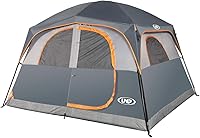
The UNP 6 Person Cabin Tent has a 10 x 9 ft floor, a 78 in center height, mesh windows, a mesh top, and a rainfly. It suits car campers who want room to stand and ventilate the tent, but groups wanting generous space for six people and their gear should compare larger layouts.
Practice pitching your tent at home before the trip. Identify each pole and stake, choose a level spot, and check that the door and ventilation openings will remain clear once the tent is up.
A tent cot is a more specialized option. It combines an raised cot with a tent and can suit a solo car camper who wants a raised sleeping surface, but it takes more space than a simple bedroll and is not the right choice for every weather forecast.
The Outsunny 6-in-1 set combines a tent, cot, air mattress, sleeping bag, pillow, and foot pump. Its maker advises against using it in rainy weather, and its 27 lb weight makes it a better match for a vehicle-accessible site than a long walk from the parking area.
Check that a tent cot's size and weight work for your sleeping space and transport. Set it up before leaving so you understand how the pieces fit together and how to pack them back into the carry bag.
For a closer look at the format, read our tent cot guide. If you are deciding between a tent cot and a regular tent, our guide to choosing a camping tent helps you compare group size and shelter needs.
How much tent space do you need?
Choose tent capacity by counting sleeping pads and gear, not just people. If everyone needs room for bags or wants space to change, a tent that fits the group on paper may feel tight.
Measure the sleeping pads you plan to use and sketch their arrangement on the tent floor dimensions. Leave space for the door and any gear that must stay inside overnight.
The UNP tent's 90 sq ft floor can fit two air mattresses or six sleeping bags according to its stated capacity. Those layouts use space differently, so check the measurements against your own bedding before choosing it for a full group.
A tall center height can make dressing easier, but it does not make a tent feel roomy at floor level. Compare both the interior height and floor plan with the way you camp.
See our guide to how many people fit in a 6-person tent for more on capacity and usable space. If your group is between sizes, the 4-person versus 6-person tent comparison can help frame the tradeoff.
What weather and safety gear belongs in your kit?
Pack clothing and protection for the coldest and wettest conditions you reasonably expect, then check the forecast before leaving. A warm afternoon can still be followed by a chilly night, wind, or rain.
Use layers you can add or remove, and bring rainwear suited to the forecast. Keep a dry set of sleep clothes in a sealed bag so you have a backup if other clothing gets damp.
A basic first aid kit should suit your group and the trip. Bring personal medicines you need, and learn how to contact park staff or emergency services at your campsite.
Carry a headlamp or flashlight for each person who may need to move around after dark. Bring spare batteries or a charged backup if your light uses a rechargeable battery.
Check campground fire rules before packing fire starters or fuel. Do not assume a fire ring means fires are allowed under current conditions; follow posted instructions.
Keep weather-sensitive gear where you can reach it quickly. A rain layer buried under sleeping bags is less useful when a shower starts during setup.
What cooking and campsite basics are worth buying?
Start with simple meals and the equipment needed to prepare them safely. You may not need a full cookware set for a short trip built around easy meals.
Plan each meal before packing pots, utensils, and food storage. If you will cook, check the site's rules and bring a suitable stove or approved method, along with fuel that matches the equipment.
Bring enough water for drinking, cooking, and cleanup, or confirm that potable water is available. Store food according to campground rules and local wildlife guidance.
A small dish kit, trash bags, and a towel can handle routine cleanup. Skip extra pans and specialty tools until you know which meals you like to make outdoors.
Check whether the campsite provides a picnic table, fire ring, or water source. Those details can help you avoid packing duplicates or buying gear you will not use.
Which comfort items can wait until later?
Buy comfort items after you know what your campsite and routine actually need. Extra furniture and accessories take space, and many are easy to borrow for a first trip.
A chair can make meals and downtime more comfortable, but it does not replace shelter, sleep gear, or rain protection. Think about where you will sit, how you will carry it, and whether a low seat suits your knees and usual posture.
The Kelty Low Loveseat is a two-person chair with a 13 in seat height, insulated cup holders, and a steel frame. It suits car campers who want to sit together around a fire or at a sports sideline; skip it if you need an upright, higher chair or have limited cargo room.
At 15 lb, the loveseat is designed for transport in a vehicle rather than carrying far on foot. Its low profile can work well for relaxed sitting, but consider how often you need to stand before choosing a low chair.
Skip bulky comfort gear when vehicle space is tight or you have a long walk from the parking area. Borrow a chair once, then buy one if it solves a problem you notice on multiple trips.
Other extras that can wait include decorative lights, extra tables, specialized cookware, and organizers. Add only the pieces that make your own setup easier.
Do you need a portable camping toilet?
Bring a portable toilet when site facilities, access, or your group's needs make one useful. Check campground rules and waste disposal options before packing it.
A campground with maintained restrooms may make a toilet unnecessary. A remote site or concern about nighttime access can change that decision, but you still need a safe, permitted disposal plan.
The Thetford Porta Potti 365 uses a piston pump flush and weighs 8.8 lb. It suits campers who have a clear need for a portable toilet and a plan for storage and emptying; skip it if your site has convenient facilities and no permitted disposal option.
Check that the toilet fits your vehicle and storage area before bringing it. Learn the emptying steps and locate the disposal option before the trip, rather than figuring it out when the tank needs attention.
Read our portable camping toilets guide for help comparing types and planning storage. Our guide to using a portable camping toilet covers preparation and day-to-day use.
How should you pack camping gear in a car?
Pack items you may need first where you can reach them, and secure heavy gear so it cannot shift. Keep shelter and sleep gear dry and separate from food or wet items.
Load gear in setup order: shelter and ground protection first, then sleep gear, followed by campsite supplies. Keep first aid, water, and lighting accessible without unloading the whole vehicle.
Measure your cargo area and compare it with bulky items before packing day. Put soft bags around rigid equipment to limit gaps, and protect fragile items from being crushed.
A trial pack at home can reveal that a chair, cooler, or tent bag blocks access to essentials. Adjust the load before the trip so the first items out are the ones you need for setup.
For a full loading sequence and a faster arrival routine, follow our car camping packing guide.
What camping gear should you skip for now?
Skip gear that solves a problem you have not encountered or planned for. A short first trip gives you a chance to learn what your routine actually needs.
Consider leaving these items off your first shopping list:
- Multiple cooking sets for meals you have not planned
- Extra chairs and large campsite furniture
- Specialized tools for activities you are not doing
- Duplicate lights, organizers, and storage bins
- A portable toilet when your site has facilities and no need for one
Borrow or rent unfamiliar items when possible. After the trip, note what you used, what you wished you had, and what stayed packed.
Avoid buying gear just because it is part of a bundle. A combined set can save packing decisions when every piece suits your trip, but it can add weight and unused parts when your needs are simpler.
What belongs in a practical first camping gear kit?
A practical kit covers sleep, weather, light, food, water, and safety for the specific trip. Start with this checklist, then remove anything your campsite supplies.
- Shelter with suitable ground protection
- Sleeping bag or bedding suited to expected conditions
- Sleeping pad or other ground insulation
- Clothing layers and rain protection
- Headlamp or flashlight
- Drinking water and a food plan
- Simple cooking gear if needed
- First aid basics and personal medicines
- Waste bags and cleanup supplies
- Phone, route details, and campsite instructions
The checklist is a starting point, not a shopping list. Match each item to the trip, and check for overlap with gear already at home.
For a beginner-focused checklist with a different level of detail, read camping essentials for beginners. If shelter is still undecided, compare the space needs in our 6-person tent guide.
How do you choose what camping gear to buy next?
Buy the item that fixes the clearest gap in your next trip. If you sleep comfortably but struggle to keep gear dry, prioritize weather protection; if your site lacks facilities, plan water and sanitation first.
Keep a short note after each trip of what you borrowed, used, and wished you had. That record gives you a more useful next purchase than buying a complete kit all at once.
Choose shelter and sleep gear first when those basics are missing. Add weather protection, light, water, and food equipment according to your site and forecast, then consider comfort gear that fits your space and routine.
Which camping gear should you choose for your trip?
Choose the UNP cabin tent if your group wants a stand-up car-camping shelter and its floor plan fits your bedding. Choose the Outsunny tent cot for a solo vehicle-accessible trip when an raised, combined sleep setup suits the weather.
Choose the Kelty loveseat if you have room for shared low seating and expect to relax at camp. Choose the Thetford portable toilet only when facilities or access make it useful and you have a permitted way to empty it.
For any trip, buy the essentials your campsite cannot provide, borrow uncertain extras, and add specialized camping gear after you know it solves a real problem.
Frequently asked questions
What camping gear should I buy first?
Buy or borrow shelter and sleep gear first, then cover weather, lighting, water, food storage, and basic first aid. These support a safe and comfortable night outdoors.
Add chairs, extra cookware, and campsite extras after you know what your site provides.
What camping gear can beginners skip?
Beginners can usually skip specialized gadgets, duplicate cookware, large furniture, and gear for activities they have not planned. Check campsite rules and facilities first, then borrow or rent unfamiliar items.
Buy a specialized item once you know it solves a need you expect to have again.
Is a six-person tent enough for six people?
A tent labeled for six may fit six sleeping spaces, but leave little room for bags and movement. Consider a larger tent if you want more interior space, and compare floor dimensions with your sleeping pads and gear before deciding.
Do I need a portable camping toilet?
You may want a portable camping toilet when a site lacks facilities, you need a backup, or nighttime access matters. Check campground rules for waste disposal and confirm how the toilet is emptied before bringing one.
Should I buy camping gear before choosing a campsite?
Choose a campsite and learn its facilities and rules before buying specialized gear. One site may provide drinking water, restrooms, picnic tables, or fire rings, while another may require you to carry everything in.
The location also affects the shelter and weather protection you need.