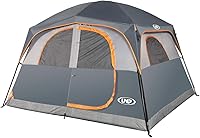
Tent Footprint vs Tarp: What Goes Under Your Tent?
A tent footprint is usually the simpler choice for protecting one tent floor; a tarp suits campers who need a larger, multipurpose cover. Either way, keep every edge within the tent floor so rain can't run onto the ground cloth.
On this page (8 sections)
- What is the difference between a tent footprint and a tarp?
- Is a tent footprint or tarp better for your trip?
- How do you size a ground cover for your tent?
- How should you set up a footprint or tarp?
- What mistakes should you avoid when using a tarp?
- How do you care for a tent footprint or tarp?
- When does a larger tarp make sense?
- Which option should you pack?
A tent footprint is usually the simpler choice for protecting one tent floor; a tarp suits campers who need a larger, multipurpose cover. Either way, keep every edge within the tent floor so rain can't run onto the ground cloth.
The choice between a tent footprint vs tarp comes down to the job, the fit, and how you travel. For a backpacking trip with one tent, a lightweight ground sheet that matches the floor is usually easier to pack and pitch.
For car camping, a tarp can cover more ground or serve other campsite needs.
What is the difference between a tent footprint and a tarp?
A footprint is a ground cloth selected for a tent floor, while a tarp is a general cover with more possible uses. Both can sit under a tent, but a tarp often needs more adjusting to fit.
A close-fitting ground cloth is easier to lay out beneath a tent because you have less material to fold or position. Footprints may be made for a particular tent model or size, so check the floor measurements before you buy.
A footprint with the wrong shape can still leave part of the floor uncovered.
A tarp gives you more area and flexibility. You can use it as a ground cover, spread it over gear, or set it up as a shelter when its dimensions and tie-down points suit the job.
That flexibility can be useful at a car campsite, but a tarp may be heavier and take up more room in your pack.
Neither option replaces a suitable campsite or careful pitching. Clear debris, choose ground where water is less likely to pool, and keep the cover beneath the tent floor rather than extending past it.
Is a tent footprint or tarp better for your trip?
Choose a footprint when you want one compact layer under a tent; choose a tarp when you need extra area and have a use for it. Your travel style helps make the decision.
A dedicated footprint suits backpackers and campers who want less material to manage. The Clostnature Heavy Duty Tent Footprint measures 87 x 59 in and weighs 9.8 oz.
It is sized for a Clostnature 2-person tent, so compare it with your tent floor before ordering.
The footprint is made from ripstop 210T polyester with a waterproof coating and packs into a drawstring bag. It can also serve as a picnic ground cover or hammock rain fly, but its size is best suited to a smaller setup.
A multipurpose tarp suits car campers who value coverage for several jobs over a close, ready-made fit. The Amazon Basics Camping Tarp measures 144 x 120 in and weighs 2.2 lb.
Reinforced corners and edges, plus grommets, give you tie-down points when you use it to cover gear or set it up elsewhere at camp.
The CARTMAN 10x12 Poly Tarp is another broad-cover option, with reinforced edges and metal grommets every 36 in. At 2.7 lb, it is better suited to a car campsite than a backpack where you are trying to limit carried weight.
Skip a large tarp if you only need a small layer beneath a tent and have no use for the extra material. Skip a model-specific footprint if it does not match your floor dimensions or you need a cover that can serve several other roles.
How do you size a ground cover for your tent?
Measure the tent floor and choose a ground cover that fits within its outline. A cover that extends past the floor can catch rain and guide it under the tent.
Measure the floor at its longest and widest points, including angled corners. If you have the tent, lay it out or check its floor measurements, then compare the dimensions and shape with the ground cloth.
A rectangle with the right length and width may still need folding if your tent has a different outline.
If a tarp is larger than the floor, fold the extra material underneath before you pitch the tent. After staking the shelter, walk around it and check each edge.
A loose fold or unfolded corner can leave an exposed strip that collects water.
For help matching shelter size to your group, compare our guides to 4-person tents and 6-person tents. A tent's labeled person count doesn't give you its exact floor shape, so check the dimensions of the model you plan to use.
How should you set up a footprint or tarp?
Put the ground cover on clear, reasonably level ground, then pitch the tent over it. Keep the ground cloth flat and its edges tucked inside the tent floor.
First, remove sticks, stones, and other sharp debris. A ground cover adds a layer between the tent and the ground, but debris can still press against the tent floor or damage the cover.
Next, spread the footprint or tarp where the tent will stand. Smooth out wrinkles and fold any extra tarp material underneath.
Set up and stake the tent, then check the ground cover around the entire base before settling in.
Avoid tying down a ground cover in a way that pulls it beyond the tent floor. Grommets can help secure a tarp for other uses, but they don't replace proper tent staking.
If the cover shifts during setup, adjust it before adding gear inside.
Choose a site where water is less likely to run or pool. A ground cloth won't fix poor drainage or make a bad tent pitch dry.
If you are still deciding which shelter fits your group, our camping tent guide covers group size and tent features.
What mistakes should you avoid when using a tarp?
The main mistake is leaving tarp material exposed beyond the tent floor. An exposed edge can catch rain and lead it beneath the shelter.
Don't assume a larger ground cover is automatically safer or more protective. The extra area only helps if you can fold and keep it under the tent.
Check the edges after pitching, not just while the tarp is spread on the ground.
Another mistake is choosing by dimensions alone. Consider the shape of the floor, the tarp's weight, and whether you will carry it by car or on your back.
A large tarp may work well when you have space to transport it, but it can be an unnecessary load if you need only a small layer.
Finally, don't leave grit and debris trapped between the cover and tent. Clear the campsite before laying out either option, then smooth the material so it sits flat beneath the floor.
How do you care for a tent footprint or tarp?
Shake off dirt, let the ground cover dry, and pack it away clean. These simple steps help keep grit and moisture from staying folded into the material.
At the end of camp, remove loose soil and leaves before packing. If the ground cloth is damp, dry it before storing it for a long period.
For a tarp, check corners, edges, folds, and grommet areas for visible damage before you put it away.
Keep the cover folded or rolled so it is easy to find on your next trip. The Clostnature footprint comes with a drawstring storage bag, while the two larger tarps have reinforced tie-down points for their wider uses.
Follow any care directions that come with the cover, especially before using a repair product or cleaner.
When does a larger tarp make sense?
A larger tarp makes sense when you have a use for its extra area and don't need to carry it far. Car campers can get more value from a multipurpose cover than backpackers who only need something under one tent.
The Amazon Basics tarp can cover a broad area, and its reinforced corners and edges provide tie-down points. The CARTMAN tarp has metal grommets spaced every 36 in and reinforced corners, which can help when you need to secure it for a cover or shelter setup.
Both have more material to manage beneath a smaller tent than the compact Clostnature footprint.
Think through the other job before choosing a large tarp. If you want to cover gear or use a tarp elsewhere at camp, the extra area has a purpose.
If not, a smaller ground cloth is easier to fit under one shelter.
For a family tent, check the floor dimensions and available camping space before picking a cover. Our guide to cabin tents vs dome tents explains how tent style affects the shelter you choose.
Which option should you pack?
Pick a footprint if you want a compact layer matched to one tent floor, and pick a tarp if you need broad coverage for several jobs. For a backpacking setup, prioritize fit and carried weight; for a car campsite, consider whether the tarp's extra uses justify its size.
The Clostnature footprint fits campers whose tent floor matches its 87 x 59 in dimensions. The Amazon Basics tarp and CARTMAN tarp suit campers who have room to carry a larger cover and want its tie-down points or multipurpose area.
Before packing either option, check the tent's floor shape, fold any excess material underneath, and inspect the edges after pitching. For broader shelter choices, start with our camping tent guide and use the same fit-first approach to decide between a tent footprint vs tarp.
Frequently asked questions
Is a footprint or tarp better under a tent?
A footprint is usually easier to match to one tent because it is meant to serve as a ground cloth. A tarp is a better fit when you want a larger cover for other campsite jobs, but you must fold or position it so no edge sticks out beyond the tent floor.
Exposed edges can collect rain and direct it under the tent.
Should a tarp be bigger than a tent?
A tarp can start out bigger than the tent, but the part beneath the tent should end up no larger than the floor. Fold the excess underneath before pitching and check all four sides after the tent is staked.
This keeps rain from landing on an exposed tarp edge and running beneath the floor.
Can I use a plastic tarp as a tent footprint?
Yes. A plastic tarp can sit beneath a tent if you size it to the floor and fold in any extra material.
Check its weight and packed size before taking it backpacking, because a large tarp may add more bulk and weight than you need for one shelter.
For car camping, those trade-offs matter less if you have another use for the tarp.
Does a footprint go inside or outside a tent?
A footprint goes outside, beneath the tent floor. It creates a layer between the tent and the ground, where it can help limit abrasion and contact with damp soil.
Clear sharp debris first, then pitch the tent over the ground cloth and check that its edges stay tucked in.