Cabin Tent vs Dome Tent: Which Suits a Family? (October 2026)
Choose a cabin tent for standing room and a dome tent when a specific model’s size, weight and headroom fit your trip. For families comparing cabin tent vs dome tent, the UNP cabin offers the most headroom, the Coleman Sundome the largest floor, and the Amazon Basics dome a smaller sleeping area.
On this page (7 sections)
- Cabin tent vs dome tent: which works better for families?
- What should you compare before choosing a family tent?
- Which tent is easier to carry and set up?
- What do ventilation and rain features tell you?
- When is a cabin tent the right choice?
- When does a dome tent make more sense?
- How should you decide between a cabin tent and a dome tent?
Choose a cabin tent for standing room and a dome tent when a specific model’s size, weight and headroom fit your trip. This cabin tent vs dome tent comparison looks at space, setup, ventilation and the practical tradeoffs for family camping.
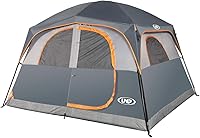
The three tents here illustrate why shape alone doesn’t settle the choice. The UNP cabin has the greatest center height, the Coleman Sundome has the largest floor, and the Amazon Basics dome has the smallest footprint.
Start with your sleeping layout, then ask how much time you’ll spend inside the shelter. A family that changes clothes or waits out rain in the tent may value headroom, while a group that mainly sleeps there can prioritize a smaller floor or a particular carrying weight.


Cabin tent vs dome tent: which works better for families?
A cabin tent usually makes it easier to stand and move inside, while a dome tent can suit families whose priorities match a particular model’s footprint and height. The two dome tents here differ substantially, so compare product dimensions instead of assuming every dome has the same interior.
The UNP cabin measures 10 x 9 ft, with a 78 in center height and 90 sq ft of floor area. The Coleman Sundome is 10 x 10 ft with 100 sq ft of floor area and a 6 ft center height.
The Amazon Basics dome is 9 x 7 ft, or 63 sq ft, with a 48 in center height.
Those figures help with planning, but they don’t tell you how your beds, bags and people will fit together. Measure your sleeping pads or airbeds and draw their positions inside the floor dimensions, leaving a path to the door.
How does tent shape change the inside?
The cabin tent’s greater height gives more room to stand, while the taller dome here still offers less headroom. Wall shape and roof height affect how easy it is to sit near the sides, change clothes and reach gear.
The UNP’s 78 in center height is the most generous of these three options. The Coleman reaches 6 ft at the center, and the Amazon Basics dome reaches 48 in, so you’ll need to bend or sit inside that smaller model.
A tent’s tallest point isn’t the same as usable floor space. Put the tallest sleepers where the roof is highest, and keep low storage near the edges where sloped walls may limit room.
What should you compare before choosing a family tent?
Compare floor dimensions, usable headroom, carrying weight and the people who will pitch the tent. A model that looks roomy by capacity can feel crowded if you bring large beds or keep bags inside.
The Coleman Sundome’s 100 sq ft floor is the largest of the three, and its stated layout fits two queen-size airbeds with room for campers and gear. The UNP cabin has 90 sq ft and is described as fitting two air mattresses or six sleeping bags.
Those layouts are useful starting points, not a promise that every arrangement will feel spacious.
The Amazon Basics dome is described for four people, with a 9 x 7 ft floor. It may fit a smaller group that plans to use the tent mainly for sleeping and store most gear elsewhere.
For a deeper look at headcount and sleeping room, read our 4 Person vs 6 Person Tent size guide. You can also compare 4-person tents and 6-person tents before settling on a capacity.
Which tent is easier to carry and set up?
The Amazon Basics dome is the lightest by the stated weights, while the UNP and Coleman setup descriptions point to different pitching arrangements. Think about the person carrying the tent from the vehicle and the number of people available to help.
The Amazon Basics dome weighs 4.2 kg and uses shock-corded poles with snag-free sleeves. The UNP cabin weighs 17.8 lb and is described as a 2-person setup, with a one-person option.
The Coleman’s continuous pole sleeves and Insta-Clip pole attachments are designed to simplify setup.
The Coleman title gives a 10-minute setup time, while the Amazon Basics setup description gives under 6 minutes. Treat setup times as planning clues: a first pitch, uneven ground or a tired group can take longer.
Practice in a yard or open space before leaving. Lay out the body, poles and rainfly in the order shown in the instructions, and have each helper learn one task so you’re not sorting parts after dark.
How should you plan packing and campsite space?
Check both the packed size and the campsite footprint before choosing a family tent. A large floor needs a level spot with room around it, and packed gear needs a place in your vehicle.
The Coleman’s packed dimensions are 27.13 x 8.81 x 8.81 in. The UNP carry bag measures 24.6 x 8.26 x 8.26 in, and the tent weighs 17.8 lb.
For car-camping plans, our guide to packing a car for camping and unpacking fast can help you decide where to store the tent for easy access.
At camp, avoid squeezing a large tent onto a small or sloped patch just because the floor area fits on paper. Make sure doors can open and there’s a clear path between the sleeping area and the campsite.
What do ventilation and rain features tell you?
All three tents include rain protection features and ventilation openings, but the layouts differ. Keep openings clear and follow the setup instructions so the rainfly and tent body work as intended.
The UNP has one large mesh door, five mesh windows and a mesh top. The Coleman has large windows and a ground vent, while the Amazon Basics dome includes a back window, a cool-air port and a removable rainfly.
The Coleman’s WeatherTec system uses welded corners and inverted seams. The UNP has a polyurethane coating and a rectangular roof, while the Amazon Basics tent has water-resistant polyester construction and welded seams.
Choose a campsite that won’t collect water, and pitch the tent as directed. Don’t assume a rainfly or waterproof description makes any tent suitable for every storm or exposed site.
What common tent mistakes should you avoid?
The most common planning mistake is choosing by capacity or shape without checking your actual layout. A tent can have enough stated capacity and still leave little room for bags, a walkway or changing.
Measure your beds before packing, and check whether doors or vents could be blocked by the layout. Keep shoes and gear from crowding the entrance, especially when several people need to get out at once.
A second mistake is leaving the first setup until arrival at camp. Learn the pole sleeves, clips and rainfly orientation at home, and pack the instructions where you can find them.
After a trip, let the tent dry fully before storing it. Brush off loose dirt, follow the care instructions for cleaning, and avoid packing it away damp, which can lead to odor or mildew.
When is a cabin tent the right choice?
Choose the UNP cabin when standing room and interior movement matter more than minimizing packed weight. Its 78 in center height gives the most headroom among these options.
The 90 sq ft floor provides space for the sleeping layouts described for the tent, and the mesh door, windows and roof offer multiple ventilation openings. It suits families who plan to change clothes or organize gear inside.
Skip this cabin if the 17.8 lb weight is awkward for your carrier, or if your campsite can’t accommodate its 10 x 9 ft footprint. Our 6-person tent guide can help you compare other family-size options.
When does a dome tent make more sense?
Choose a dome when the exact model’s size, weight and headroom suit how you camp. “Dome” alone doesn’t tell you whether a tent is compact or roomy: the Coleman and Amazon Basics models show a wide range.
The Amazon Basics dome’s 4.2 kg weight and 9 x 7 ft floor suit a smaller group that prioritizes a more compact shelter. Its 48 in center height is a poor fit if you want to stand inside or change clothes without bending.
Choose the Coleman Sundome if you want a larger dome with a 100 sq ft floor and a 6 ft center height. Its large windows and ground vent are useful details for warm-weather airflow.
Skip the smaller Amazon Basics tent if your group needs space for bulky beds or indoor gear storage. For help balancing size and features across a group, see our guide to choosing a camping tent.
How should you decide between a cabin tent and a dome tent?
Pick the UNP cabin if you want the most headroom, the Coleman dome if you want the largest floor, or the Amazon Basics dome if a smaller group and lighter carry matter most. The right cabin tent vs dome tent choice comes from matching dimensions to your beds, gear and campsite.
Draw the sleeping layout, mark where bags will go, and leave a clear route to the door. Then check who will carry and pitch the tent, and whether its packed size works with your vehicle.
If you’re still deciding between floor space and headcount, start with our 4 Person vs 6 Person Tent comparison. It can help you settle the size before you choose a shape.
Frequently asked questions
Is a cabin tent better than a dome tent for a family?
A cabin tent can suit a family that wants room to stand, change clothes and move around inside. A dome can work well when its floor plan and height fit your sleeping setup.
Compare the tent’s floor with your beds and gear, then consider who will pitch and carry it.
Capacity alone doesn’t show how much space your family will have.
Are dome tents more stable in wind?
A lower dome profile can present less height to wind, but shape alone doesn’t guarantee stability. Setup, pole design, staking, site exposure and weather all matter.
Follow the tent instructions, use included stakes as directed and avoid camping in conditions beyond the tent’s stated use.
Does a cabin tent give a family more usable space?
A cabin tent’s taller walls and standing height can make it easier to change clothes or move around. Usable sleeping room still depends on floor dimensions, bed shape and where you put bags.
Sketch your layout before choosing, and leave room to enter and move safely.
Can a family of four use a 4-person dome tent?
A 4-person tent may fit four people close together, but leave little room for luggage or changing inside. Check the floor dimensions against your sleeping pads or bags.
If you want indoor gear storage or space between sleepers, look at a larger tent.
Which tent is easier to set up?
Setup depends on pole design and the people pitching the tent, not only its shape. The Amazon Basics dome has shock-corded poles and snag-free sleeves, while the UNP cabin is described as a 2-person setup.
Practice at home and follow the tent instructions.