How to Clean a Camping Chair Without Ruining It
To clean a camping chair, brush off dirt, spot-clean with mild soap and water, and dry it fully before storage. Check the care instructions first, especially for mesh, padding, and frame joints.
On this page (11 sections)
- How do you clean a camping chair step by step?
- What should you use to clean a camping chair?
- How should you clean fabric, mesh, and padded areas?
- How do you remove mud, food, and mildew stains?
- Can you hose down or machine-wash a camping chair?
- How do you clean the frame and joints?
- How do you dry and store a camping chair?
- How do you choose a camping chair that is easier to clean?
- What common cleaning mistakes should you avoid?
- How often should you clean a camping chair?
- How to clean a camping chair: what should you choose?
To clean a camping chair, brush off loose dirt, spot-clean with mild soapy water, and let it dry completely before storage. This gentle routine works for routine grime and small stains, while checking the chair’s care instructions helps you avoid damage to mesh, padding, coatings, and joints.
Start soon after a spill or a muddy trip. Shake out grit while the chair is open, inspect seams and feet, and remove dirt before folding it against the fabric.
How do you clean a camping chair step by step?
Use a soft brush first, then a damp cloth with mild soapy water on dirty areas. Wipe away residue if the care instructions allow, and leave the chair open until its fabric and frame are fully dry.
- Check the chair’s care label or manufacturer instructions.
- Open it outside and shake off sand, crumbs, leaves, and loose soil.
- Brush away dried dirt with a soft brush.
- Dab stains with a clean cloth dipped in mild soapy water.
- Wipe away soap with a clean damp cloth, if permitted.
- Air-dry the whole chair before folding or covering it.
Work from cleaner areas toward dirtier ones, turning the cloth to a fresh section as grime lifts. Use light strokes around seams and avoid soaking padding.
What should you use to clean a camping chair?
A soft brush, clean cloths, mild soap, and water handle most routine chair cleaning. A sponge can cover broad fabric areas, while a small soft brush can reach corners without snagging mesh.
Mix a little soap into a bowl of water and try it on a hidden spot first. Stop if the color changes or the surface appears damaged.
Skip bleach, solvents, strong degreasers, and stain removers unless the manufacturer specifically allows them. Don’t mix cleaners, and keep soapy water away from joints and moving parts when possible.
For a mesh back, choose a soft cloth or brush and use gentle pressure. The GCI Outdoor SunShade Comfort Pro has a mesh backrest, so a stiff scrubber is a poor match.
How should you clean fabric, mesh, and padded areas?
Match your method to the chair’s surfaces and use as little water as the care instructions permit. Fabric can trap dirt at seams, mesh can snag, and padding may need extra time to dry.
How do you clean fabric on a camping chair?
Brush dried dirt away before wiping the fabric. Scrubbing grit into the weave can spread a mark or wear the surface.
Dab a stain with soapy water, moving from the edge toward the center. Use light strokes and avoid scrubbing across seams.
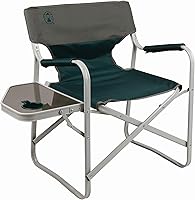
The Coleman Outpost Elite has weather-resistant fabric, but it still needs to dry before storage. Wipe it with a damp cloth and leave it open afterward.
How do you clean mesh without snagging it?
Use a soft cloth or brush and light pressure on mesh. Follow the weave where possible, and don’t pull at snags or scrub with an abrasive pad.
Rinse only if the chair’s care instructions allow it. If you do, use a gentle flow of water and leave the mesh open to dry.
How do you clean padded arms and cushions?
Wipe padded areas with a lightly damp cloth, then dry them fully. Avoid soaking the padding because moisture can linger inside after the surface feels dry.
The Coleman chair has padded solid arms. Wipe them gently and check the seams before storing the chair.
If an odor remains, leave the chair open in a well-ventilated place. Don’t cover or fold it while any padded area still feels damp.
How do you remove mud, food, and mildew stains?
Let mud dry, brush it away, and dab the remaining mark with mild soapy water. Blot food spills promptly, then clean the area with a method allowed by the chair’s care instructions.
Don’t scrub wet, gritty mud into the weave. Lift off loose soil with a soft brush first, then wipe the remaining mark with a clean cloth.
For mildew, take the chair outside and brush off loose growth. Clean the affected area with mild soap and water if permitted, then let it dry fully in moving air.
Avoid bleach unless the manufacturer says it is safe for that fabric. Don’t mix cleaners, which can damage materials or release harmful fumes.
Can you hose down or machine-wash a camping chair?
Use a damp cloth for most chairs, and hose one down only when its care instructions permit it. Don’t machine-wash a camping chair unless the manufacturer explicitly says it is safe.
Water can enter joints and other areas that take longer to dry. If gentle rinsing is allowed, keep the chair open and dry every section before folding.
Avoid pressure washers because the force can strain seams, mesh, coatings, and connections. A cloth and patient wiping give you more control.
How do you clean the frame and joints?
Wipe the frame with a damp cloth, then dry around the joints and feet. Brush away grit before folding so it doesn’t grind against moving parts.
Dry a steel frame promptly after it gets wet. For aluminum, wipe off dirt and salt with fresh water if the care instructions allow it, then dry the frame.
The TIMBER RIDGE Aluminum Oversized Chair pairs an aluminum frame with polyester fabric. Clean and dry both parts, and don’t assume that the frame material makes wet storage safe.
Check for loose or damaged parts as you clean. Don’t force a stuck joint or apply oil unless the manufacturer recommends it.
How do you dry and store a camping chair?
Keep the chair open in a dry, airy place until the fabric, seams, frame, and joints are completely dry. Then fold it and store it somewhere dry.
Turn the chair so damp areas aren’t pressed together. Check underneath the seat and around the feet, where water and sand can hide.
If you use a carry bag, make sure both the bag and chair are dry. Packing damp fabric can leave moisture trapped around seams and joints.
How do you choose a camping chair that is easier to clean?
Choose a chair whose materials and extra features match how you camp and how much care you want to do. Any chair can get dirty, but the fabric, frame, and design affect where you need to clean and dry it.
For an occasional spill and a straightforward wipe-down, the Coleman Outpost Elite is a sensible fit if you want padded arms and a flip-up side table. Its steel frame and weather-resistant fabric still need drying after cleaning, so skip it if you want to leave a damp chair packed away.
The GCI Outdoor SunShade Comfort Pro suits sunny outings where you want an adjustable canopy, mesh back, and a built-in beverage holder. Choose it if you’re willing to clean mesh gently and let the canopy and chair dry open; skip it if your priority is a simple chair with fewer fabric areas to inspect.
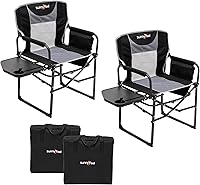
The TIMBER RIDGE Aluminum Oversized Chair fits buyers who want a wider seat, aluminum frame, and side table. Its frame is light to carry, but the large seat and detachable side pocket add areas to check for dirt, so it’s less suited to someone seeking the fewest parts to clean.
These are examples of different care tradeoffs, not cleaning requirements unique to those models. Follow each chair’s instructions before using water or a cleaner.
What common cleaning mistakes should you avoid?
The main mistakes are scrubbing too hard, using harsh chemicals, and storing a chair before it dries. Each can make a small cleaning job harder or damage parts that are difficult to replace.
- Don’t scrub dried grit into fabric or mesh.
- Don’t soak padding, seams, or joints.
- Don’t use bleach or solvents unless the manufacturer permits them.
- Don’t pressure-wash or machine-wash without explicit approval.
- Don’t fold or cover a damp chair.
- Don’t force a joint or lubricate it without guidance.
If you’re comparing styles, our guide to camping chairs with side tables can help you weigh convenience against extra areas to keep clean.
How often should you clean a camping chair?
Brush off dirt after each trip and spot-clean spills as soon as possible. Give the chair a fuller wipe when you see grime, sand, or residue.
During cleaning, check seams, feet, and joints for stuck dirt or moisture. Dry the chair before storing it, even if the fabric only feels slightly damp.
For your wider setup, see our camping gear guide and advice on how to pack a car for camping. If you’re choosing between outdoor seating styles, compare a lawn chair and a camping chair.
How to clean a camping chair: what should you choose?
For how to clean a camping chair, use a soft brush, mild soapy water, and complete air-drying. Pick the Coleman for padded arms and a side table, the GCI for an adjustable sunshade and mesh back, or the TIMBER RIDGE for a wide seat and aluminum frame.
Spot-clean small stains, rinse only when the care instructions allow it, and keep harsh cleaners and pressure washers away. If your chair is worn out, our Kelty low loveseat review can help you compare another seating option.
Frequently asked questions
Can I put a camping chair in the washing machine?
Usually, don't put a camping chair in a washing machine unless its care label or manufacturer instructions allow it. The frame, joints, coating, and fabric may not be made for machine washing.
Spot-clean the fabric with mild soap and water, and let it dry fully before folding.
How do you get mildew off a camping chair?
Take the chair outside, brush off loose growth, and clean the affected fabric with mild soap and water if its care instructions allow. Rinse away soap and dry the chair completely in an airy spot.
Don't mix cleaning products or use bleach unless the manufacturer approves it.
Can you pressure wash a camping chair?
Avoid pressure washing a camping chair. A strong water jet can strain seams, mesh, coatings, and moving joints, while forcing water into places that are hard to dry.
Use a soft brush or cloth with mild soapy water, then rinse gently where needed.
How do you keep a camping chair from rusting?
Dry the frame and joints completely before storage, especially after rain or rinsing. Wipe away dirt and salt with fresh water when the care instructions allow, then let the chair air-dry open.
Store it in a dry place and check metal parts before your next trip.