Car Camping vs Tent Camping: Which Fits You? (November 2026)
Choose car camping for comfort and easy gear hauling, and tent camping for lighter travel to spots your car can't reach. In this car camping vs tent camping comparison, your vehicle and how much gear you bring decide more than the pitch itself.
On this page (10 sections)
- Quick verdict: car camping vs tent camping
- The two setups side by side
- Space and gear load decide most trips
- Setup time and effort
- Sleeping comfort and weather protection
- Cooking and eating at camp
- Safety and first aid
- Who should choose car camping?
- Who should choose tent camping?
- Which setup should you pick?
Choose car camping for comfort and easy gear hauling, and tent camping for lighter travel to spots your car can't reach. In this car camping vs tent camping comparison, your vehicle and how much gear you bring decide more than the pitch itself.
Car camping means you drive to the site and camp beside your vehicle. That opens up coolers, big tents, camp stoves and cots.
Tent camping means you sleep in a tent, whether the car is parked 10 feet away or a mile down the trail.
The line between the two gets blurry at drive-in sites. This comparison sorts out the real trade-offs so you can pick the setup that fits your trips.
Quick verdict: car camping vs tent camping
Car camping wins for most first-time and family campers, because the car carries the comfort items. Tent camping wins when you want to leave the road behind and carry only what fits on your back.
If you drive to a reserved site, pitch a tent beside the car and cook at a picnic table, that's car camping. You can bring an air mattress, a stove and a cooler without worrying about weight.
If you park at a trailhead and walk in, that's tent camping in the stricter sense. Every item has to be light enough to carry, so the kit shrinks fast.
Our car camping vs tent camping call is simple. Pick car camping if the car can reach the site and you value a proper bed and a hot meal.
Pick tent camping if the walk in is the point of the trip.
One more point in the verdict: the two setups often cost about the same in gear. The difference is where the weight lands.
Car camping spreads it across the trunk. Tent camping puts it on your shoulders.
The two setups side by side
Car camping trades weight limits for space; tent camping trades space for freedom from the road. The table below sums up how the two differ in practice.
| Product | Best for | Fuel | Weight | Size | Our score |
|---|---|---|---|---|---|
| Gas One GS-3400P Propane or Butane Stove | car camping meals | Butane or propane | 3.1 lb | 13.5 x 11 x 4.45 in | 9.7 |
| 1st Aid First Aid Kit 300PCS Car Home | the glovebox | 10 oz | 8 x 7 x 2 in | 9.5 | |
| Coleman Sundome Camping Tent with Rainfly | tent camping newcomers | 7.5 lb | 9.4 | ||
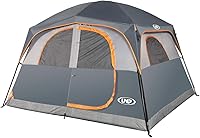
| UNP 2-4 Person Camping Tent Waterproof Family | light loads | 4.8 lb | 9.3 |
The biggest gap is gear. A car camping kit can include a 10 x 10 ft tent, a dual-fuel stove, a cooler and a cot.
A tent camping kit usually means a 4.8 lb dome and a sleeping pad.
The second gap is the site. Drive-in campgrounds have picnic tables, fire rings and often restrooms.
Walk-in sites ask you to carry everything from the parking area.
Neither setup is better in the abstract. The question is how far you want to walk and how much you want to carry.
Space and gear load decide most trips
If your kit fits in the trunk, car camping gives you more room to live in. If the kit has to fit on your back, tent camping sets the limit.
The Coleman Sundome weighs 7.5 lb and covers a 10 x 10 ft floor. That's a comfortable footprint for two people with gear, but it's not a tent you want to carry far.
The packed size of 6.22 x 6.14 x 23.89 inches is a long bundle that slides into a trunk but pokes out of a pack.
The UNP tent weighs 4.8 lb and covers a 7 x 5 ft floor. It packs light and goes up in about 3 minutes, so it suits a short walk in or a quick pitch at a drive-in site.
Its 45 inch peak height means you sit up rather than stand.
Our guide on how to pack a car for camping shows how to load a car so the tent, cooler and stove all fit without blocking the view. Packing well is what makes car camping comfortable.
If you're weighing tent sizes, our 4 person vs 6 person tent comparison helps you match the floor to your group. A bigger tent needs more car space, which is a car camping decision as much as a tent one.
Floor size and how many people fit
The Coleman's 10 x 10 ft floor gives two campers room for a mattress plus duffels. It's a floor plan that works when the car sits a few steps away and the gear comes in and out.
The UNP's 7 x 5 ft floor fits 2 adults comfortably, even though it's marketed as a 2 to 4 person tent. Treat it as a two-person tent and the size math holds.
Its floor area is smaller than the Sundome's, and the lower walls feel tighter once sleeping pads are down.
That matters when you choose a setup. A car camper can size up the tent without worrying about the carry weight.
A tent camper has to live with the packed weight and the pack space on the walk in.
Setup time and effort
Car camping setup takes longer, but you have the car as a base while you work. Tent camping setup is shorter and simpler because there's less to unpack.
A drive-in site often means unloading a full trunk, pitching a tent, inflating a mattress and setting up a cooking station. The payoff is that everything you brought stays within reach.
A walk-in site means carrying the tent, bag and food to the pitch. Setup is quicker, but there's no cooler waiting in the trunk and no car to duck into when it rains.
The UNP's instructions are sewn into the carry bag, which helps when you pitch it in fading light. The Coleman uses snag-free pole sleeves and Insta-Clip attachments, so it goes up in about 10 minutes even for a first-timer.
The clock tells only part of the story. At a drive-in site the 10 minute pitch is followed by the cooler, the chairs and the stove, so the whole camp takes longer to settle.
At a walk-in site the 3 minute pitch is the bulk of the work, because there's less gear to arrange once the tent is up.
Sleeping comfort and weather protection
Car camping sleeps more comfortably in cold or wet weather, because you can layer bedding and shelter in the car. Tent camping leaves you more exposed, so the tent's weatherproofing matters more.
A car camper can bring a thick air mattress, a cot and extra blankets. Weight is not the constraint.
The car also gives you a dry place to wait out a storm.
The Coleman's WeatherTec system uses welded corners and inverted seams to keep water out. Coleman says the frame handles winds up to 35+ mph.
That's a real advantage at an exposed drive-in site. The included rainfly and UV protection round out the weather package.
The UNP tent has a removable rainfly and two zippers designed to keep rain out. It's lighter, so it's the better fit for a walk-in pitch where you can't drag a heavy tent.
Its tear-resistant polyester and the guy ropes add stability when you take the time to peg it out.
In hot weather, the Coleman's large windows and ground vent help air move. The UNP's mesh window and skylight do the same on a smaller scale.
Condensation is the quiet enemy on cool nights, and both tents give it somewhere to go.
Cooking and eating at camp
Car camping lets you cook real meals on a proper stove; tent camping pushes you toward light, simple food. This is where the car's cargo space shows up most.
A dual-fuel stove like the Gas One GS-3400P runs on an 8 oz butane cartridge or a 16.4 oz propane cylinder. It has an adjustable heat dial and piezo ignition, so you don't need matches.
The pressure sensor ejects the cartridge if pressure goes irregular.
That stove weighs 3.1 lb, light enough to move from the trunk to the picnic table. Its 13.5 x 11 x 4.45 inch frame and steel body make it a stable base for a pot.
Fuel is sold separately, so plan the cartridges before you leave.
Tent campers usually carry a small canister stove and freeze-dried meals. Cooking gear has to fit in the pack, so the menu gets simpler and the cleanup gets lighter.
If you car camp with a group, the stove is the item that makes the trip feel less like roughing it. A hot breakfast at the picnic table beats a cold bar in a tent.
The dual fuel option helps too, because you can buy whichever cartridge the camp store stocks.
Safety and first aid
Car camping gives you a bigger safety net, because the car and the first aid kit travel with you. Tent camping asks you to carry your own kit and plan for slower help.
Keep a kit in the car for the whole season, not just the camping weekend. The 1st Aid kit has 300 pieces in an 8 x 7 x 2 inch bag that fits in the glovebox or a door pocket.
It includes burn dressings, gauze, bandages and an emergency blanket.
The zipper edge is not waterproof, so store the kit where rain won't pool on it. At a walk-in site, a smaller kit in the pack covers the basics.
The kit's 10 ounce weight is easy to justify in a car and a real decision in a pack.
Cooking safety matters on both setups. Use the stove outdoors and away from the tent walls, and let it cool before packing.
The Gas One's gas cut-off mechanism adds a layer of protection on butane.
The emergency blanket in the kit earns its place on cold nights. It also covers the gap when the weather turns and the sleeping bag is not enough.
Who should choose car camping?
Choose car camping if you drive to the site and want a bed, a stove and a cooler. It suits families, first-timers and anyone camping for more than a night or two.
Car camping works well for base-camp trips where you drive out each day and return to the same pitch. The car holds the gear, the food and the spare clothes.
It's also the easier setup for cold or rainy forecasts. You can add bedding and shelter without carrying it.
Our what is car camping guide covers the basics if you're new to drive-in sites. It explains how the car becomes part of the camp rather than just transport.
Skip car camping if the site you want has no vehicle access. You'll be carrying the kit anyway, so the weight savings of tent camping matter more.
When the car is the base, not the shelter
Car camping does not always mean sleeping in a tent. Some campers sleep in the back of an SUV or a van and use the car as the bedroom.
The tent then becomes a place to change or to store gear.
That choice changes what you buy. A car sleeper may skip the big tent and put the money into bedding and storage.
A tent camper beside the car still needs the Sundome or a similar dome with a rainfly.
Either way, the car anchors the trip. The stove, the first aid kit and the cooler all live within a few steps of the pitch.
Who should choose tent camping?
Choose tent camping if you want to walk away from the road and carry only the essentials. It suits hikers, paddlers and anyone heading to walk-in or backcountry sites.
Tent camping keeps the kit small. The UNP tent at 4.8 lb is a reasonable base, and the rest of the load follows the same rule.
It also gives you quieter pitches. Walk-in sites sit away from engines, headlights and idling cars, which is the main reason people choose them.
Skip tent camping if you need a cooler, a cot or a lot of cooking gear. Those items are heavy, and hauling them any distance gets old fast.
If your site has a toilet but no restroom building, a privacy tent for a camping toilet keeps the setup contained. That's more of a car camping concern, since you can carry the toilet and tent in the trunk.
Which setup should you pick?
Pick car camping for most trips, and tent camping when the walk in is part of the plan. The car camping vs tent camping choice comes down to whether the vehicle can reach the pitch and how much comfort you want.
For a first camping trip with family or friends, car camping is the safer bet. The Coleman Sundome and the Gas One stove cover the tent and the cooking, and the 1st Aid kit stays in the car.
For a trip where you park and walk, the UNP tent is the lighter choice. It goes up in about 3 minutes and fits in a pack.
The deciding rule: if you can drive to the site, car camp; if you can't, tent camp. Most people will do both over time.
Start with car camping, learn what you actually use, then trim the kit for a walk-in trip.
Frequently asked questions
Is car camping the same as tent camping?
No. Car camping means you drive to the site and camp beside your vehicle, often in a tent but sometimes in the car or a rooftop tent.
Tent camping means sleeping in a tent, whether you parked next to it or hiked in.
Do you need a tent for car camping?
Not always. Some people sleep in the back of an SUV or a van.
A tent still gives you headroom, ventilation and a place to change, so most car campers bring one.
Is car camping cheaper than tent camping?
The gear costs are similar, but car camping often costs more in fees because drive-in sites charge per vehicle. Tent camping at walk-in sites usually has lower fees and fewer facilities.
Can you car camp without a big vehicle?
Yes. A small hatchback works for car camping if you pack light and use a compact tent.
Check your cargo space first with our guide on how to pack a car for camping.
Which is more comfortable in bad weather?
Car camping is usually more comfortable in rain and wind because you can shelter in the car and store gear under cover. Tent camping leaves you more exposed, so a tent with a full rainfly matters.
Do you need a privacy tent for car camping?
It depends on your site and your toilet setup. If you use a portable camping toilet at a site without restrooms, a privacy tent keeps the setup discreet and contained.